Skip to main content
Last reviewed and updated .
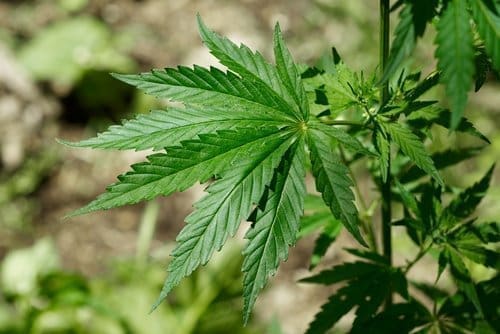 Cannabis production is no longer prosecuted under the Controlled Drugs and Substances Act. Since the Cannabis Act came into force on 17 October 2018, cannabis has been removed from the CDSA schedules and unlawful cultivation is charged under section 12 of the Cannabis Act instead.
That does not make growing cannabis lawful in every circumstance. Section 12 makes it an offence to cultivate cannabis from a seed or plant material that you know is illicit cannabis, and to grow more than four cannabis plants at any one time in a dwelling-house — a limit that applies to the household collectively, not to each adult living in it.
Producing other controlled substances — cocaine, methamphetamine, fentanyl and the rest — remains a CDSA offence and is dealt with separately below.
The charge of producing cannabis outside those limits, whether it involves an indoor or an outdoor grow operation, remains a serious allegation. Penalties for this type of offense often include a period of jail time even for unsophisticated grow operations.
Daniel Brown is an experienced drug defence lawyer in Toronto, Ontario. To discuss your case, call him at (416) 297-7200 or continue reading to learn more about defending cannabis grow-op cases in Toronto, Ontario.
Frequently asked questions about cannabis production charges:
- What is the legal definition of “produce”?
- What must the prosecutor prove in a cannabis production or cannabis grow-op case?
- If someone is found not guilty of producing cannabis, can they be found guilty of another offence such as possessing it?
- Are there ways to defend against an allegation of cannabis production?
- What are the penalties for producing cannabis?
- What are the consequences of a cannabis grow-op conviction?
What is the legal definition of “produce”?
Under the Cannabis Act, “produce” means to obtain cannabis by any method or process, including:
(a) manufacturing, synthesis, or altering its chemical or physical properties by any means; or
(b) cultivating, propagating or harvesting it, or any living thing from which it may be extracted or otherwise obtained.
Offers to produce cannabis are also captured. The CDSA uses a comparable definition of “produce” for other controlled substances.
What must the prosecutor prove in a cannabis production or cannabis grow-op case?
To prove unlawful cannabis production, the Crown must prove beyond a reasonable doubt that the substance grown was cannabis, that the accused knew it was cannabis, and that they produced it or aided in its production. Because cultivation is lawful within the limits the Cannabis Act sets, the Crown must also establish what takes the case outside those limits — typically that the plants were grown from seed or plant material known to be illicit cannabis, or that the four-plant household limit was exceeded.
If someone is found not guilty of producing cannabis, can they be found guilty of another offence such as possessing it?
If the accused person is only charged with producing or cultivating cannabis, they cannot be found guilty of possessing the substance unless they already face that charge and the evidence supports that they were in possession. Possessing cannabis is not a lesser offence of cultivating or producing it. Follow the link to learn more about drug possession charges and drug trafficking.
Are there ways to defend against an allegation of cannabis production?
Because grow-ops and other drug production cases typically involve private property such as houses and farms, search warrants are the most common method used by the police to collect evidence. When a search warrant is obtained improperly, the evidence may be barred from the trial. In cannabis grow-op cases, faulty warrants are the single most common reason why the prosecution fails to secure a conviction.
What are the penalties for producing cannabis?
Unlawful cannabis production is a hybrid offence. Prosecuted by indictment, section 12 of the Cannabis Act carries a maximum of 14 years’ imprisonment. On summary conviction the maximum is a fine of $5,000, six months in jail, or both. There is no mandatory minimum sentence — Parliament repealed the mandatory minimums for drug offences in 2022.
In sentencing someone for producing cannabis, the court will look at a number of factors to determine an appropriate sentence. These considerations can include the number of plants produced, the level of sophistication in the operation, the quality of the drug being produced as well as the circumstances of the offender and their past criminal history.
What are the consequences of a cannabis grow-op conviction?
The consequences of a cannabis production or cultivation conviction can include:
- job loss
- fines, probation, and possible of imprisonment
- problems with immigration including deportation, permanent residence, and citizenship applications
- being deemed ineligible for certain professions, jobs, and opportunities
- being denied entry into the United States or other countries
- living with the social stigma of a criminal record
- risk of the conviction being reported publicly in the media
- obtaining a criminal record that will be stored and accessible in the national CPIC database
If you or someone you know is charged with a cannabis grow-op or other drug offence, you should immediately contact a criminal lawyer to determine your best defence to this type of criminal charge. Daniel Brown can be reached for a consultation about your case at (416) 297-7200.
Why Choose Daniel Brown Law?
Daniel Brown Law is a leading Canadian criminal defence firm. Daniel Brown is a certified specialist in criminal law — a designation held by fewer than 2% of criminal lawyers in Ontario. He is the author of Prosecuting and Defending Sexual Offence Cases (3rd Edition, Emond Publishing’s Criminal Law Series), has authored articles for legal journals, and contributes commentary on criminal law to The Toronto Star and other major Canadian news outlets.
The firm and its lawyers have been repeatedly recognized for excellence in criminal defence: